
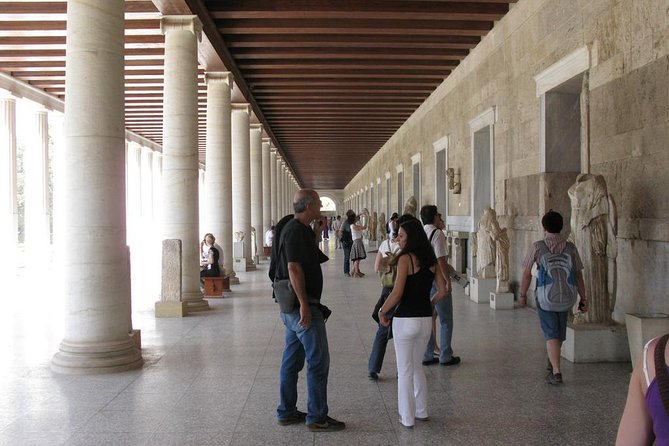
Reviewed · ANCIENT AGORA TOURS
Private Walking Tour: Ancient Agora, Plaka and Monastiraki monuments
A street can feel like a time machine when the guide has the map. This private walk strings together Ottoman-era Athens and classic Roman-Greek sites in one smooth route, starting with a tiny museum inside Syntagma’s metro world. You’ll also get a relaxed ending in the spice-and-food lanes near Avyssinias Square.
What I like most is the pacing: you cover big names like the Ancient Agora and Hadrian’s Library remains without turning the day into a sprint. I also love that the tour is private, so your guide can slow down for questions and even steer you to extra spots beyond the main route. One thing to keep in mind: Ancient Agora entry isn’t included, so budget the extra admission on top of the tour price.
Key highlights worth your attention
- Private guide, your group only: you won’t be stuck timing your photos to a crowd.
- Syntagma Station’s mini museum: burial tombs, a 2,000-year-old beehive, and Roman mosaics get the day started.
- Monastiraki + Ottoman landmarks: Tzistarakis Mosque and Fethiye Mosque show up along a lively shopping route.
- Plaka photo stops: the Doorway of the Medrese and the surviving columns of Hadrian’s Library (132 AD).
- Ancient Agora with “how it worked” context: trade, politics, democracy talk, and the Tower of the Winds.
In This Review
- From Syntagma Station Museum to Metropolis Cathedral: starting with the past
- Monastiraki and the Ottoman neighborhood: shopping streets with real history
- Plaka’s lanes: Hadrian’s era, Medrese doorway, and easy photo magic
- Ancient Agora: where politics, trade, and daily life collided
- What you’ll likely spot: the forum’s “clock”
- Admission matters here
- Temple of Hephaestus: a stop that adds “feel,” not just facts
- Stoa of Attalos and the Museum: understanding daily life from artifacts
- Avyssinias Square and Athinas Street: closing with food smells and color
- Price and logistics: what you’re really paying for
- Guide quality: why Kostas-style explanations make the sites click
- Who this tour fits best (and who might want something else)
- Should you book this private Agora, Plaka, Monastiraki monuments walk?
- FAQ
- How long is the private walking tour?
- Where does the tour start and where does it end?
- What is included in the price?
- Is the Ancient Agora entrance fee included?
- What language is the tour offered in?
- Is the Ancient Agora museum and Stoa ticket included?
From Syntagma Station Museum to Metropolis Cathedral: starting with the past
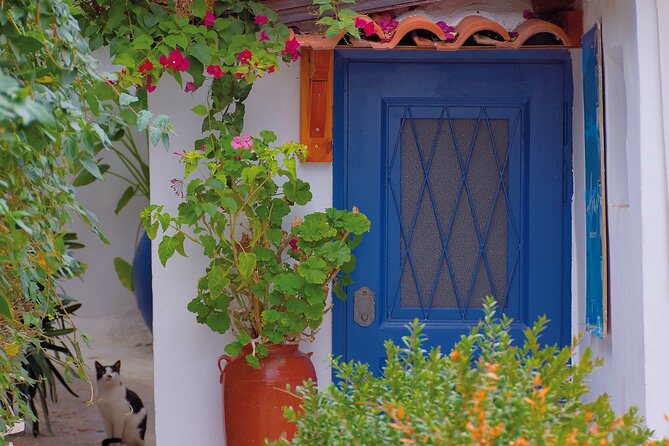
The tour begins near Syntagma Metro station, at Syntagma Square. Before you even hit the big archaeological zones, you’ll look around the station’s small museum, which is the sort of Athens detail you’d miss if you were just commuting or rushing to the Acropolis.
Inside, the focus is on finds excavated in the area: burial tombs, a 2,000-year-old beehive, and Roman mosaics that are believed to date to the 5th century BC. It’s a clever warm-up, because it makes the later stops feel more connected, instead of like separate checkboxes.
Next comes a short stroll to Mitropoleos Square, where you’ll see Athens Cathedral. This ornate Greek Orthodox church was built in 1862 and serves as the seat of the archbishop of the Greek Orthodox Church of Athens.
If you like learning how Athens layered itself over centuries, this opening is a win. It also helps you get your bearings fast—especially if it’s your first day in the city.
Down where the old city met and traded
- Athens Half Day Tour, Acropolis, Parthenon, Temple of Olympian Zeus & Hephaistus
★ 5.0 · 609 reviews - Athens: Agora and Hephaistos Temple Entrance Ticket
★ 4.0 · 449 reviews - Athens: Ancient Agora E-Ticket and Audio Tour
★ 3.9 · 413 reviews - Athens: Roman Agora & Ancient Agora E-ticket & 2 Audio Tours
★ 4.1 · 107 reviews
Monastiraki and the Ottoman neighborhood: shopping streets with real history
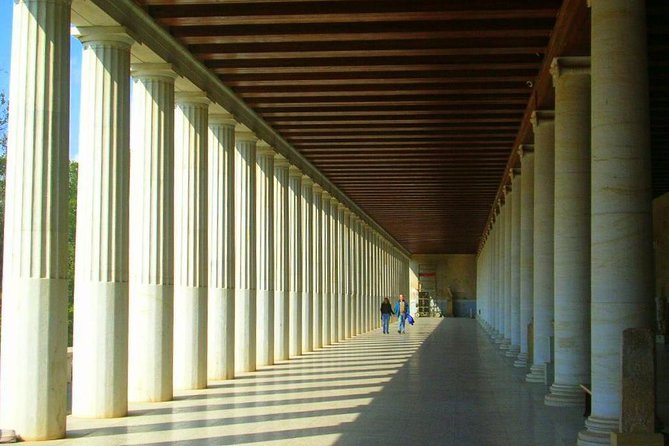
After the cathedral area, the walk pushes into Monastiraki, the kind of place where the lanes feel alive even outside peak hours. You’ll wander through the flea market area and then shift from “busy streets” to “this was built under Ottoman rule.”
Two specific sites come up as you move through: Tzistarakis Mosque and Fethiye Mosque. Even if you don’t go inside (and the tour doesn’t spell out interior visits), just seeing these structures in the middle of everyday street life makes the past feel less like museum display and more like part of the neighborhood.
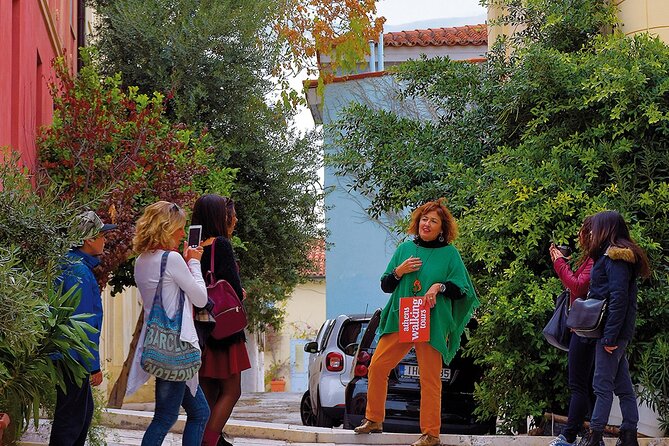
This is also where your guide’s skill matters most. A good guide helps you look at architecture as evidence—how forms, materials, and street patterns stayed in place long enough for you to still recognize them today.
What to watch for here: Monastiraki is lively, and the “look left, look right” pace can get a little fast if you’re traveling with someone who needs breaks. Still, because it’s private, you can ask to slow down for photos or just a breather.
Plaka’s lanes: Hadrian’s era, Medrese doorway, and easy photo magic
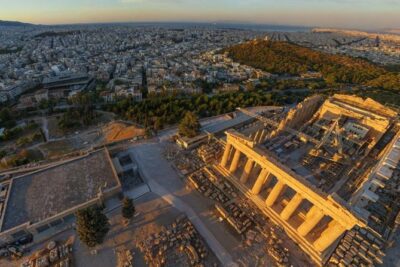
From Monastiraki you head into Plaka, Athens Old Town. This is where the walking becomes more scenic: stone lanes, small corners, and the classic Athens mix of tourist life and everyday local movement.
A few standout stops focus on Ottoman and Roman-era remnants. You’ll see the Doorway of the Medrese, which is the entrance to a former Turkish theological school. It’s not a huge monument, but it’s the kind of detail that makes a city feel specific.
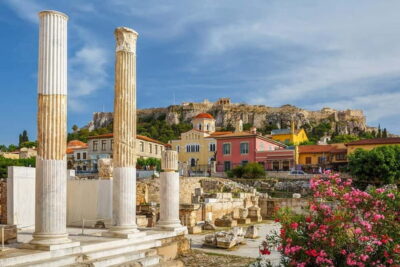
Then you’ll photograph the remaining columns of Hadrian’s Library, built by Emperor Hadrian in 132 AD. Even when only partial remains survive, they still give you scale and a sense of how much the Romans cared about learning and public buildings.
Plaka can be crowded at certain times, but the private format keeps things comfortable. You’re not trapped in a tight group line. If you want more time for photos at the Medrese doorway or along the Hadrian columns, you can usually ask.
Ancient Agora: where politics, trade, and daily life collided
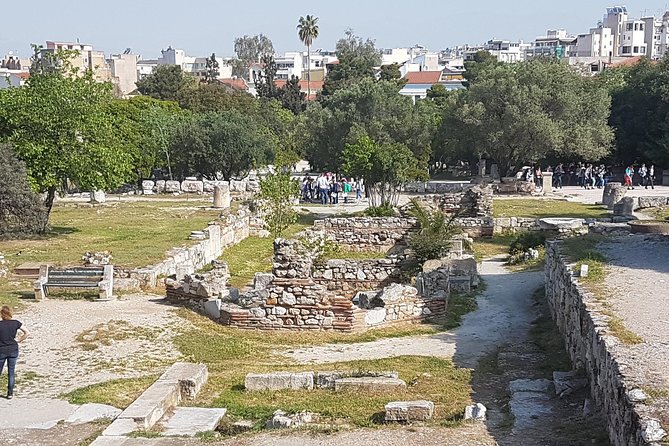
The main event is the Ancient Agora of Athens, the commercial, political, and social heart of the city. The route takes you to the area where development dates back to the 6th century BC, and your guide’s job here is to translate ruins into a working city.
You’ll inspect key ruins with guidance, and the story centers on how people gathered there—not only to trade, but to discuss public affairs. This is the setting where the idea of democracy gets talked about in a concrete way: you can point at spaces and understand that politics wasn’t separate from normal life.
On foot through Plaka and beyond



What you’ll likely spot: the forum’s “clock”
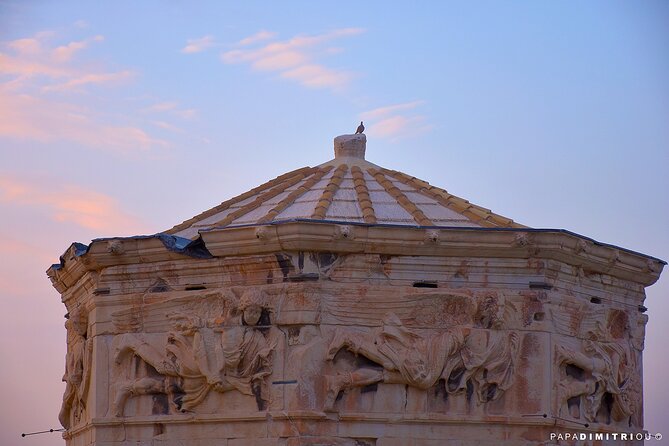
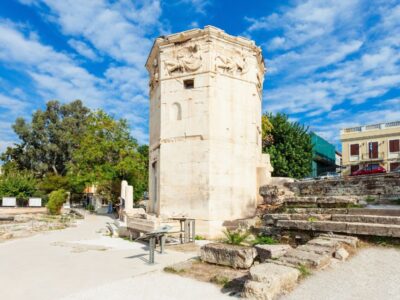
A highlight is the Tower of the Winds, which served as a timepiece for the forum. It’s one of those structures that’s easy to walk past on a self-guided visit. With a guide, you get the why, and that changes the entire moment.
Admission matters here
The tour includes guidance, not entry fees. The Ancient Agora entrance fee is €20.00 per person and is not included in the tour price. If you’re comparing options, make sure you count this in your true total.
Timewise, you should expect about 1 hour at the Ancient Agora. That’s enough to learn the bigger story and see the major elements without spending your whole day in ticket lines.
Temple of Hephaestus: a stop that adds “feel,” not just facts
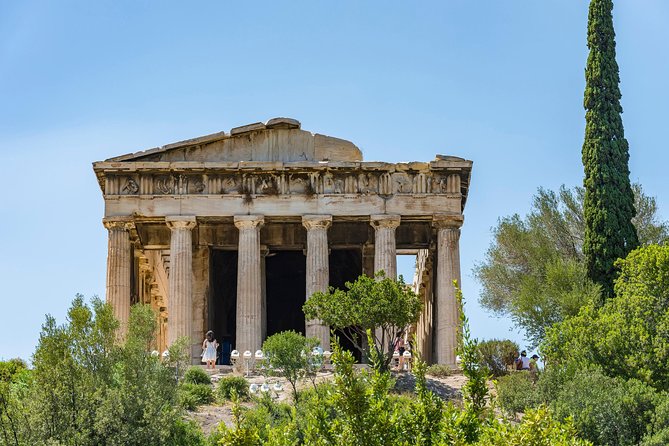
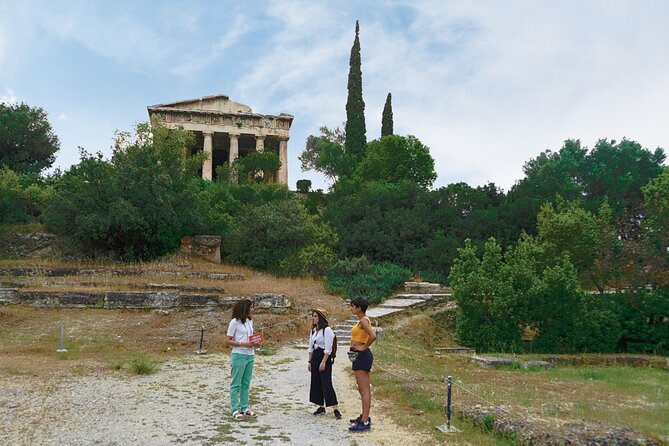
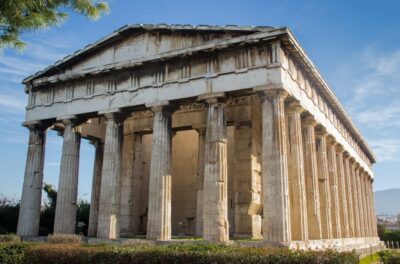
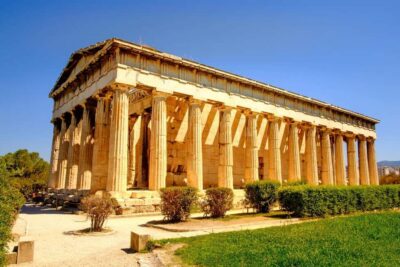
Between Agora areas, you’ll also visit the Temple of Hephaestus. The itinerary flags it as a separate stop, which usually means your guide will point out architectural and historical details rather than treating it like a quick photo moment.
This kind of temple visit is valuable because it helps you feel the scale of ancient Athens. You’re not only hearing about the forum and democracy; you’re also seeing what the religious and civic landscapes looked like in stone.
If you’ve visited a few Greek ruins already that day, this stop can act as a reset. The information stays tied to what you can see around you, which is what makes a private walking tour useful.
Stoa of Attalos and the Museum: understanding daily life from artifacts
After the Agora walk, you’ll head to the Stoa of Attalos, where the focus shifts from outdoor ruins to artifacts. The Stoa is a reconstructed ancient shopping hall, which already tells you something important: this wasn’t just a political stage. People shopped, met, and lived their normal routines in the same area.
You’ll spend about 45 minutes here, including time in the museum context linked to the Stoa. Your guide will explain what you’re looking at, including items tied to daily life in Athens.
As with the Agora, the itinerary notes that an admission ticket isn’t included for this stop. The exact cost for the Stoa/Museum ticket isn’t provided in your details, so I’d budget for it and double-check close to your date.
One extra practical detail: at the end of your visit to the Stoa of Attalos, your guide will depart. That’s not a negative—it’s a way to let you keep exploring after the “guided explanation” part ends.
Avyssinias Square and Athinas Street: closing with food smells and color
The tour ends around Avyssinias Square and down toward Athinas Street. This is a smart finish, because it transitions from history to the kind of Athens you can actually smell and taste.
You’ll get that moment of color where the route becomes less about ruins and more about spices, market stalls, and the sensory rhythm of the neighborhood. Your guide says goodbye here, which gives you freedom to keep wandering at your own pace.
If you’re hungry, this is a great place to continue. If you’re not, it’s still a nice way to end—because you’re not forcing a formal meal right after walking, you’re letting the city pull you in naturally.
Price and logistics: what you’re really paying for
The price is $319.39 per person for a private tour lasting about 3 hours. That’s not cheap, but you’re buying something specific: guided time with one group, focused stops across multiple districts, and a route that blends monuments with neighborhood context.
Here’s the value math you should run before booking:
- You’re paying for a local guide and the private experience (included).
- You still need to budget Ancient Agora admission (€20.00 per person), which is not included.
- You’ll also likely pay for the Stoa/Museum admission, since the itinerary notes tickets aren’t included there either.
If you’re traveling with family or teens, this private angle matters even more. One of the standout themes from the guide praise is that the explanation style works across ages—one review specifically described the guide making it easy for visitors ages 15 and 16 to enjoy and understand.
Language is English, and the route is near public transportation, which helps if you need to arrive or depart efficiently. Most travelers can participate, and the tour is designed as a straightforward walking experience with recognizable landmarks as anchors.
Guide quality: why Kostas-style explanations make the sites click
The strongest praise in the reviews centers on guide ability. One reviewer called Kostas a superior guide and said he made the tour very memorable. Another highlighted a guide who was extremely interesting and educational, and described how the stops were handled in a way that kept younger participants engaged.
That matters, because the itinerary spans different eras and building types: metro-area archaeology, Ottoman neighborhood structures, Roman-era remains, and classic Agora ruins. A guide who can connect the dots is what turns scattered sights into a story you can hold onto later.
You’ll also benefit from the guide’s flexibility. One comment noted the tour included locations beyond the official itinerary. That’s a good sign for you if you like “bonus Athens”—the extra turns where a city shows you what a guide thinks is worth your time.
Who this tour fits best (and who might want something else)
This is ideal if you want a compact Athens experience that covers big names without turning into a rushed sightseeing conveyor belt. It also suits you if you care about how different empires left marks in the street-level fabric, not only in obvious ruins.
If you like shopping lanes and urban neighborhoods, Monastiraki and Plaka will feel like part of the education, not a break from it. If you prefer pure archaeology with minimal street time, you might find that the market-and-lane segments are less your style, though the route is still anchored to monuments.
Private walking tours also tend to work best when you’re:
- On your first or second day in Athens and want a coherent overview.
- Traveling with a small group that wants flexibility.
- Hoping for a guide to tailor the pace.
Should you book this private Agora, Plaka, Monastiraki monuments walk?
I’d book this if you want one guided route that handles Ancient Athens and Ottoman/Roman-era leftovers in a way that feels practical and easy to follow. The start at Syntagma’s metro museum is a smart differentiator, and the combination of Agora + Stoa + timepiece Tower of the Winds gives you strong Athens core content in a short window.
Skip it or consider alternatives if:
- You hate walking through busy lanes and markets.
- You’re trying to minimize paid entrances, since Ancient Agora tickets (and likely Stoa tickets) cost extra.
- You want a long, standalone deep archaeology day rather than a mix of monuments and neighborhoods.
If you do book it, plan for the extra admissions and wear comfy shoes. Then lean into the guide’s explanations—this tour is at its best when you let someone else do the connecting.
FAQ
How long is the private walking tour?
It’s about 3 hours (approx.).
Where does the tour start and where does it end?
You meet near Syntagma Square (Pl. Sintagmatos, Athens). The tour ends at the Ancient Agora of Athens area.
What is included in the price?
The tour includes a local guide and the private tour. Admission fees and food/drinks (unless specified) are not included.
Is the Ancient Agora entrance fee included?
No. The Ancient Agora entrance fee is €20.00 per person and is not included.
What language is the tour offered in?
The tour is offered in English.
Is the Ancient Agora museum and Stoa ticket included?
Admission ticket is not included at least for the Ancient Agora stop, and the Stoa of Attalos stop is also listed as not including an admission ticket.
More Tour Reviews in Athens
- Athens: Acropolis & up to 5 Archaeological Sites Combo Pass★ 4.2 · 13,904 reviews
- Athens: Acropolis, Parthenon & Acropolis Museum Guided Tour★ 4.8 · 9,316 reviews
- The Acropolis, Parthenon & Acropolis Museum Guided Tour★ 4.7 · 8,493 reviews
- Athens: Cape Sounion & Poseidon Temple Sunset Half-Day Trip★ 4.8 · 8,241 reviews
- Acropolis: Premium Acropolis and Parthenon Guided Tour★ 4.8 · 5,208 reviews
- Athens: Mythology of Delphi, Museum and Arachova Guided Tour★ 4.7 · 5,102 reviews
Athens on Foot, Continued
- Acropolis and Parthenon Guided Walking Tour★ 5.0 · 4,755 reviews
- Greek Food Walking Tour in Athens★ 5.0 · 4,740 reviews
- Athens: Guided Greek Food Walking Tour with Tastings★ 4.9 · 2,859 reviews
- Acropolis monuments & Parthenon Walking Tour with Optional Acropolis Museum★ 5.0 · 2,678 reviews
- Athens Acropolis and Parthenon Walking Tour★ 4.5 · 1,355 reviews
- Acropolis, Parthenon & Athens Old City Heritage Walking Tour★ 4.5 · 876 reviews
More Hours in the Ancient Agora
- Athens Half Day Tour, Acropolis, Parthenon, Temple of Olympian Zeus & Hephaistus★ 5.0 · 609 reviews
- Athens: Agora and Hephaistos Temple Entrance Ticket★ 4.0 · 449 reviews
- Athens: Ancient Agora E-Ticket and Audio Tour★ 3.9 · 413 reviews
- Athens: Roman Agora & Ancient Agora E-ticket & 2 Audio Tours★ 4.1 · 107 reviews
- Acropolis & Ancient Agora Guided tour included all Entrances★ 4.9 · 102 reviews
- Ancient Athens Segway Tour with Agora and Kerameikos★ 5.0 · 94 reviews
Fresh Off the Boat: New Athens Reviews





Ancient Agora Tours, compared.
 ★ 5.0Athens Half Day Tour, Acropolis, Parthenon, Temple of Olympian Zeus & HephaistusFrom $314609 reviews
 ★ 4.0Agora and Hephaistos Temple Entrance TicketFrom $30449 reviews
 ★ 3.9Ancient Agora E-Ticket and Audio TourFrom $30413 reviews
 ★ 4.1Roman Agora & Ancient Agora E-ticket & 2 Audio ToursFrom $51107 reviews
 ★ 4.9Acropolis & Ancient Agora Guided tour included all EntrancesFrom $126102 reviews
 ★ 5.0Ancient Athens Segway Tour with Agora and KerameikosFrom $8394 reviews
 ★ 5.0Acropolis of Athens, Ancient Agora and the Agora Museum TourFrom $6786 reviews
 ★ 3.9Ancient Agora Self-Guided Tour with 3D & Audio (No Ticket)From $859 reviews
Browse the lists this tour appears in